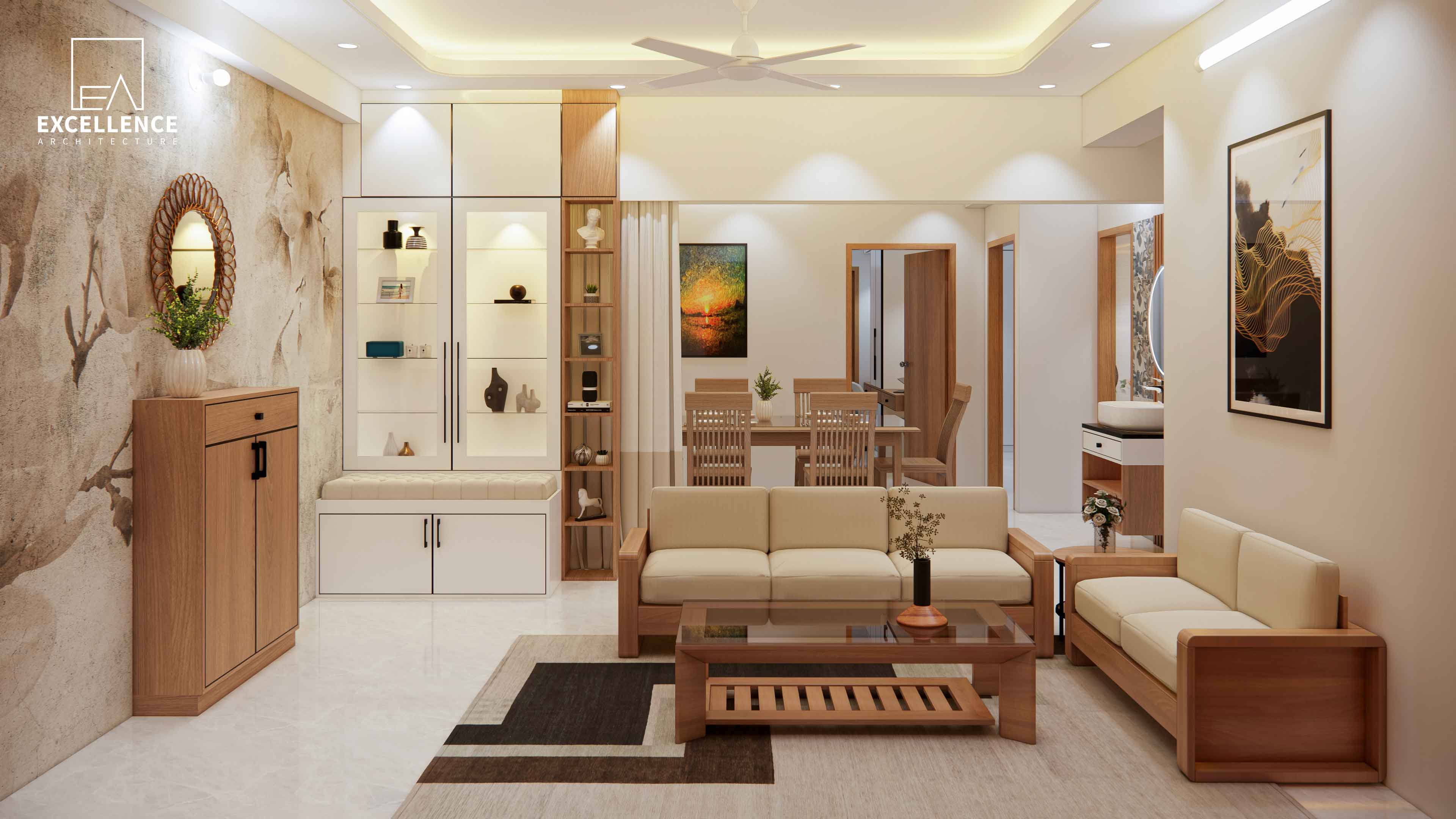
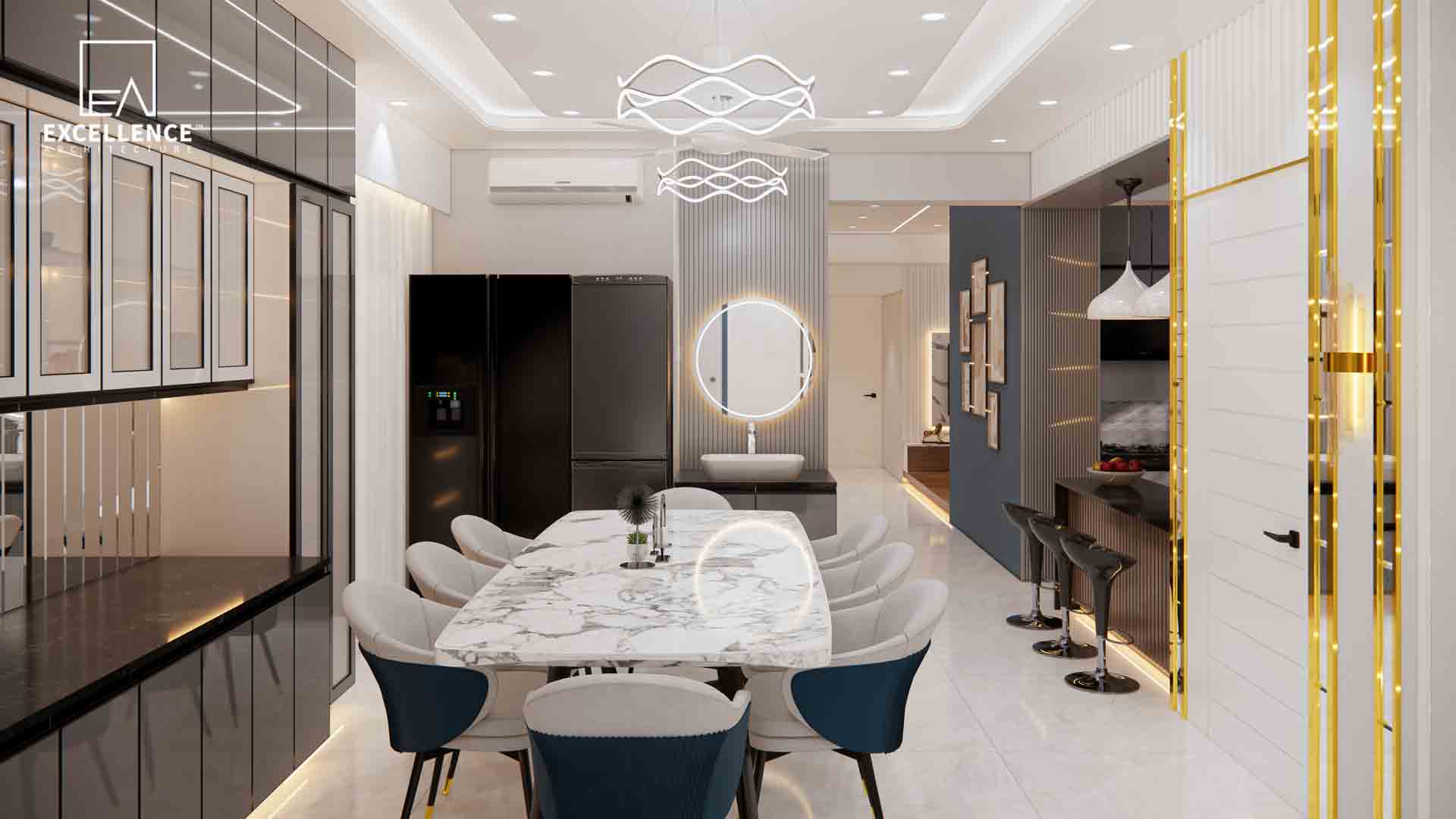
Dark central dining zones in narrow "tunnel" flats? Discover 3-tier lighting hierarchies, kelvin zoning (3000K–4000K), mirror bounce tricks, and light-friendly furniture layouts.
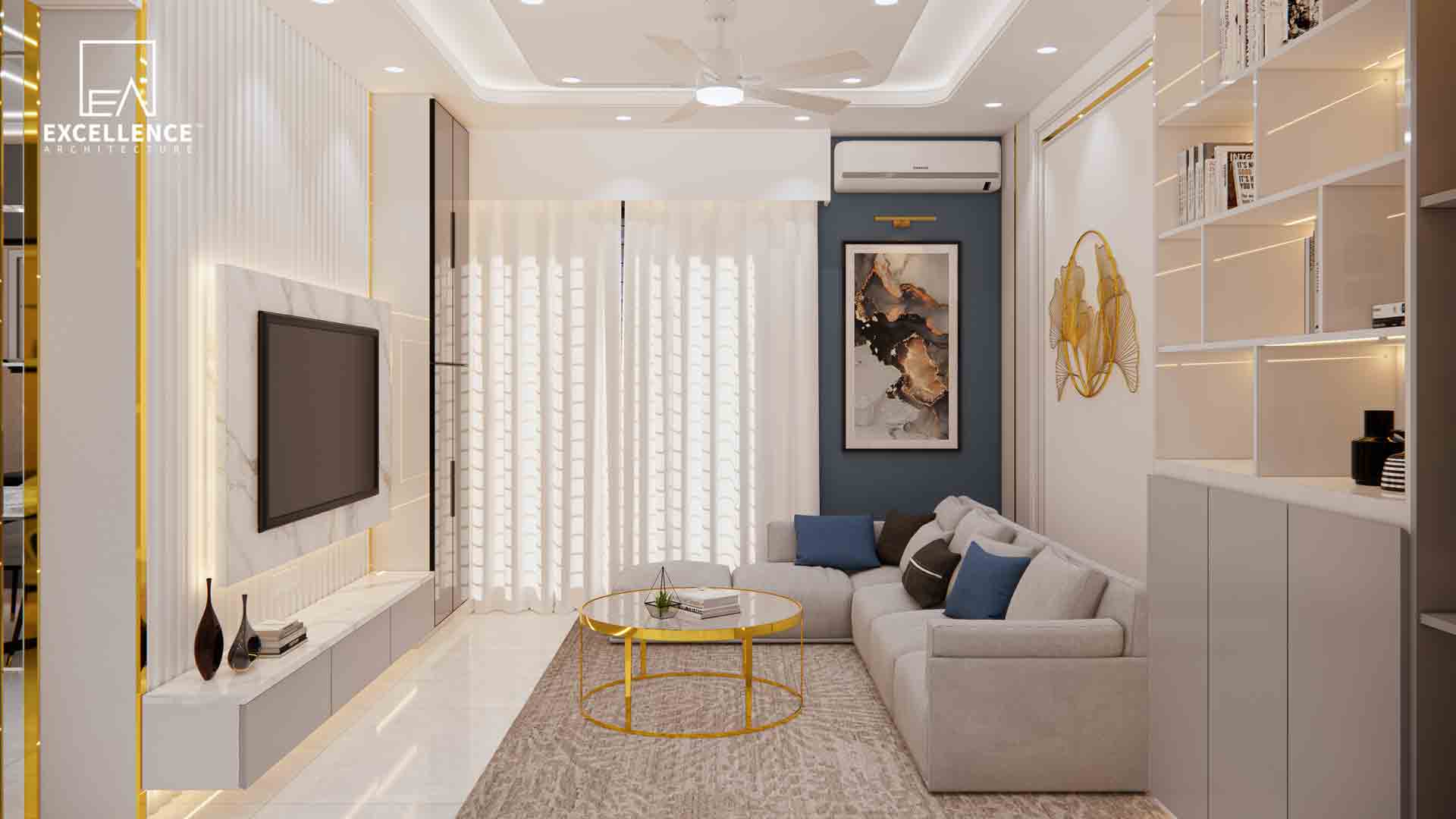
Inheriting mismatched floor tiles—whether dated pinkish-beige ceramics, glossy speckled marble, or mismatched terracotta—is a frequent roadblock when executing a modern interior upgrade in a Dhaka apartment. Replacing installed floor tiles across a 1,200–2,000 sq ft flat is messy, disruptive, time-consuming, and expensive due to civil demolition work.
At Excellence Architecture, we help homeowners bypass costly civil work with smart, hassle-free architectural resurfacing strategies.
Here are five proven architectural strategies to integrate, cover, or transform mismatched floor tiles without chipping up a single existing slab:
Stone Plastic Composite (SPC) flooring is a high-density, 4–6 mm thick waterproof rigid plank system that installs directly over existing level tiles using a click-lock mechanism.
For a sleek, modern industrial, Japandi, or minimalist aesthetic, apply a high-performance polymer micro-cement or self-leveling epoxy coat over the tiled surface.
If resurfacing the entire floor is outside your current scope, use large-format neutral area rugs to cover up to 70% of the visible tile surface in key living zones:
Pro Tip: Match the dominant tone of your rug to your new wall paint color (e.g., off-white, greige, or soft taupe) to draw visual attention upward away from the exposed border tiles.
Bright or warm-toned tiles (like yellowish cream or reddish terracotta) clash with cool, modern furniture because of direct color contrast at floor level.
Sometimes the main issue isn't the tile itself, but dirty, dark, or mismatched tile grout lines that create a harsh grid pattern across the room.
If considering SPC or micro-cement overlays in kitchen or bathroom entryway thresholds, install a slim aluminum transition profile strip at door edges to ensure a clean finish and prevent moisture seepage beneath the new floor layer.
Mismatched floor tiles don't have to ruin your interior design or force you into expensive civil demolition. By utilizing SPC rigid core planks, micro-cement, or strategic neutral zoning, you can create a cohesive interior without the chaos.
Renovating an apartment in Mirpur, Dhanmondi, or Gulshan?
Contact Excellence Architecture today to request your Free 2D Floor Plan and explore our smart interior renovation solutions!
Dark central dining zones in narrow "tunnel" flats? Discover 3-tier lighting hierarchies, kelvin zoning (3000K–4000K), mirror bounce tricks, and light-friendly furniture layouts.
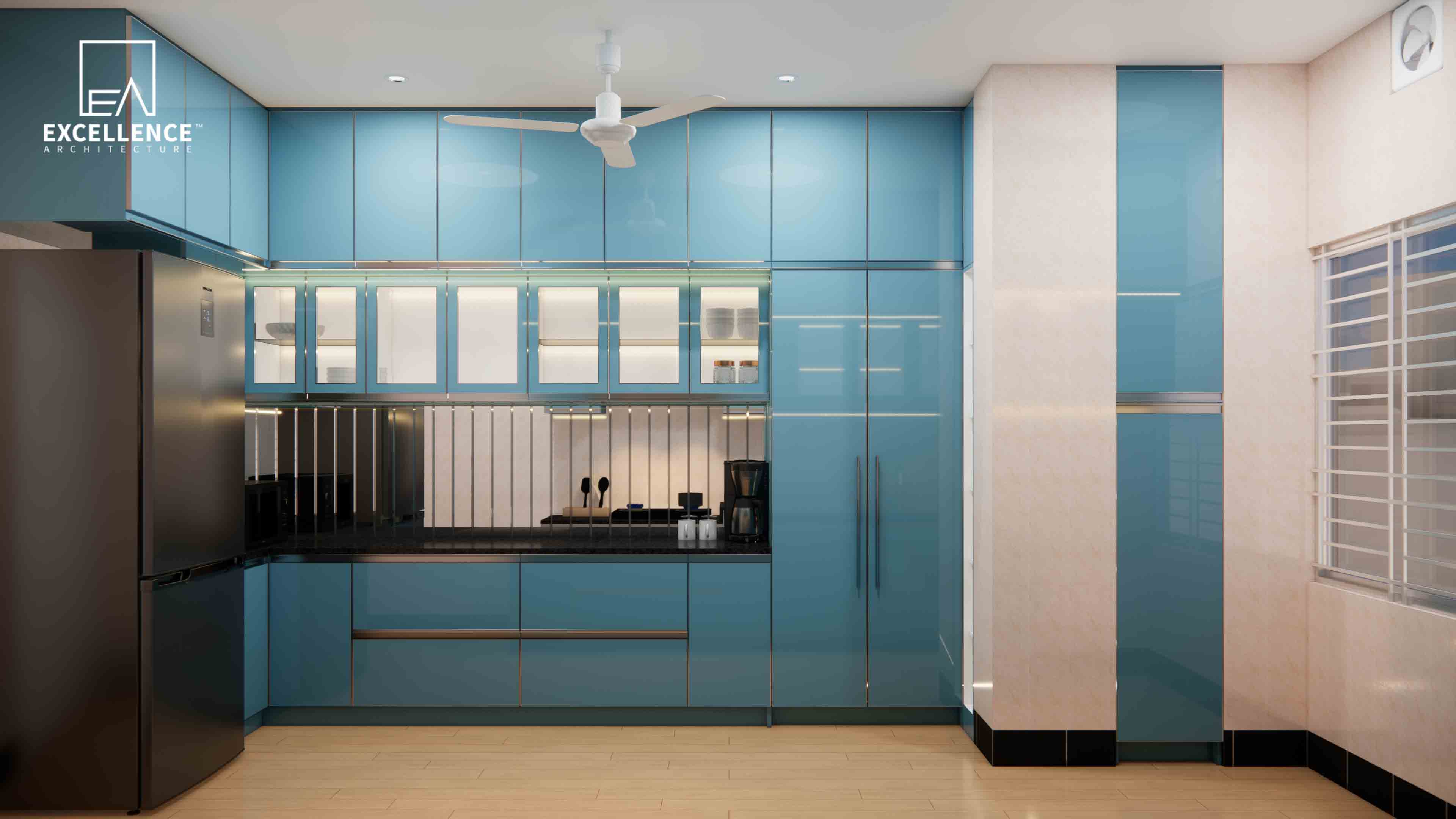
Tired of cramped, chaotic kitchens? Discover the 5-Zone layout model, optimal clearance heights, and high-efficiency joinery hacks for Dhaka apartment kitchens.
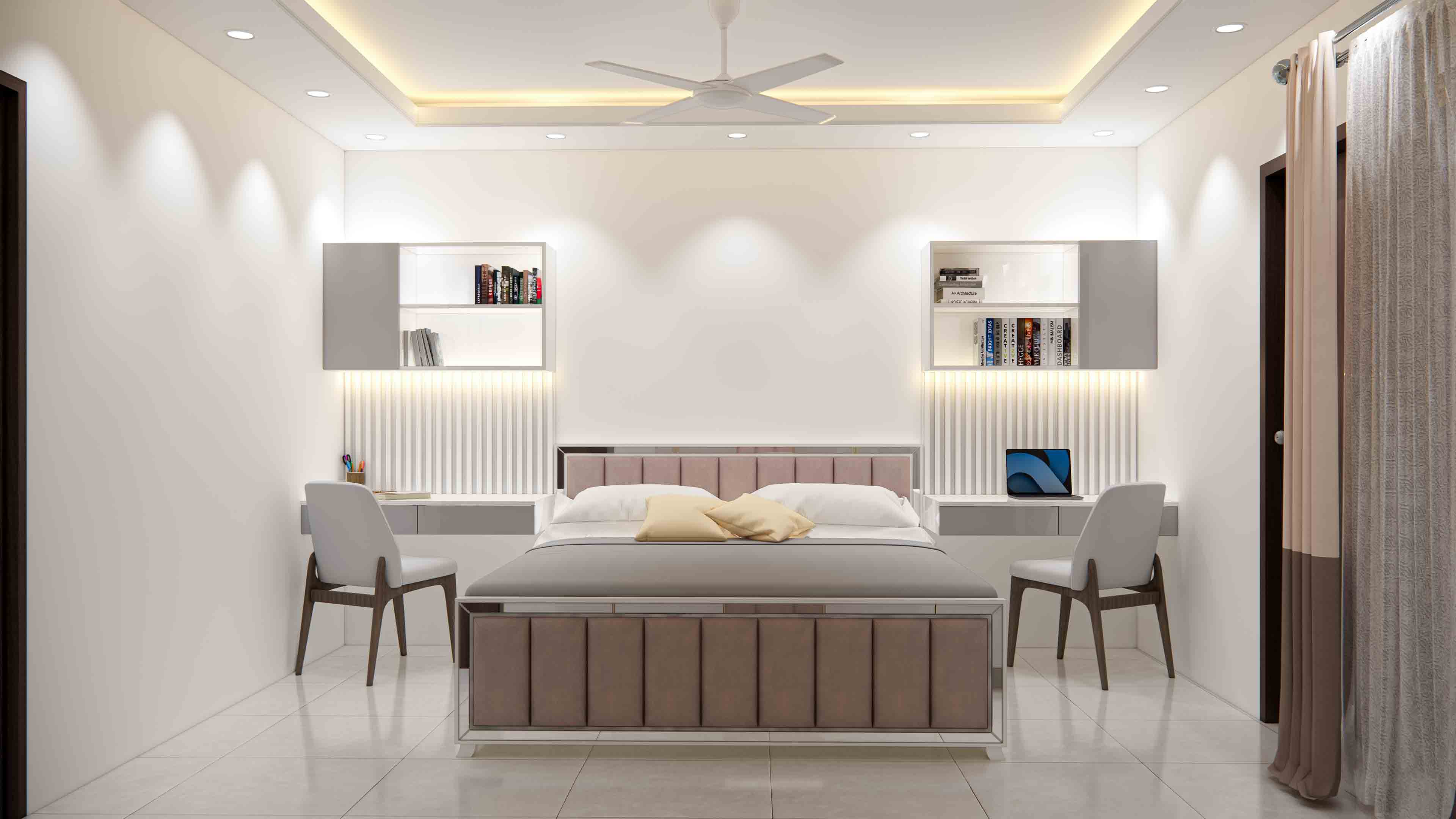
Designing a shared kids' bedroom in a compact Dhaka apartment? Discover L-shaped bunks, dual study stations, and smart storage hacks for 110–140 sq ft rooms.

Want a child-friendly home that still looks luxurious? Discover stain-resistant surfaces, curved furniture, flush storage, and safety hacks for Dhaka apartments.
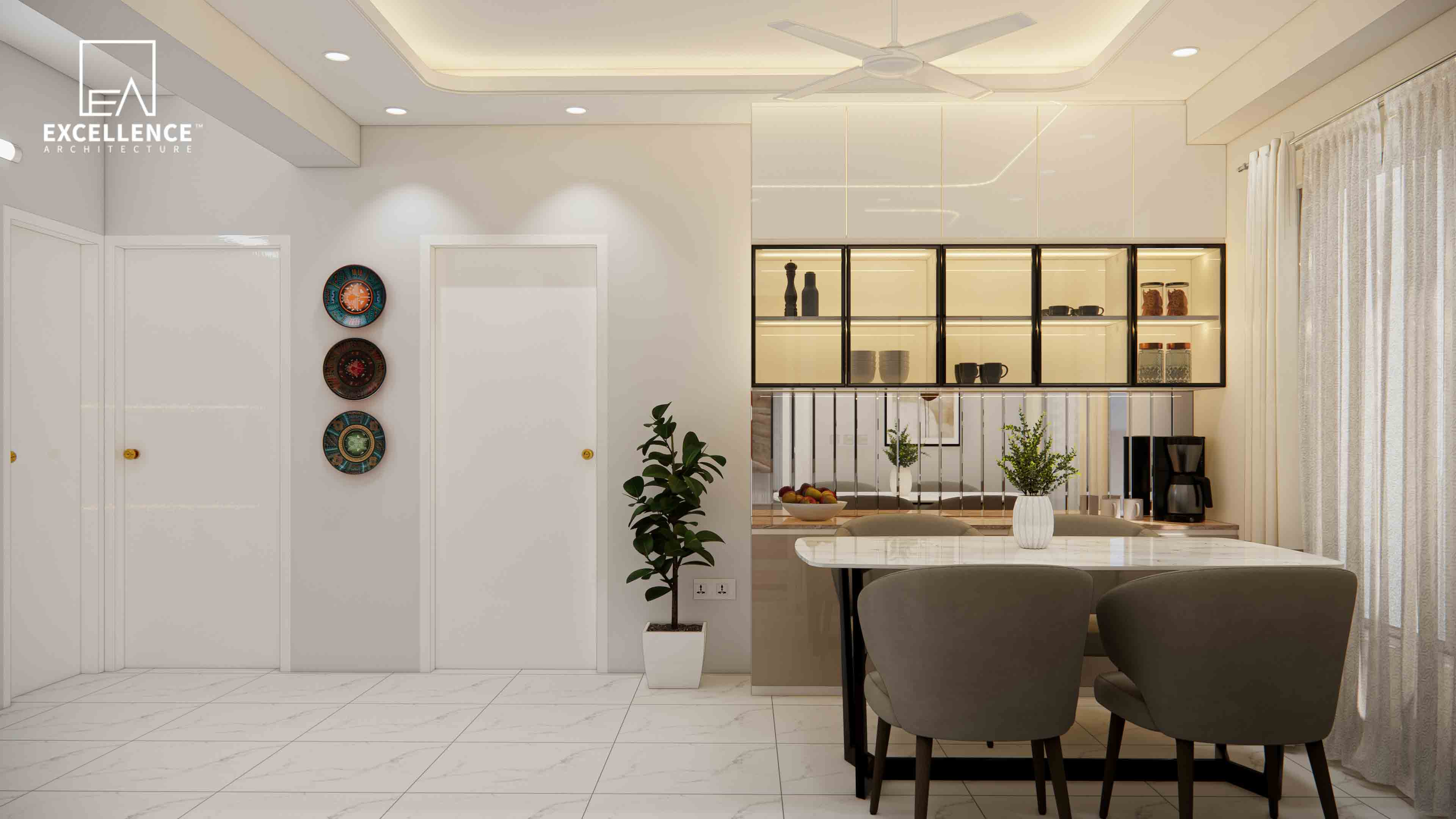
Living along a busy Dhaka road? Learn expert interior hacks—from uPVC double-glazing and anti-static finishes to ERV air filtration—to stop dust before it enters your flat.
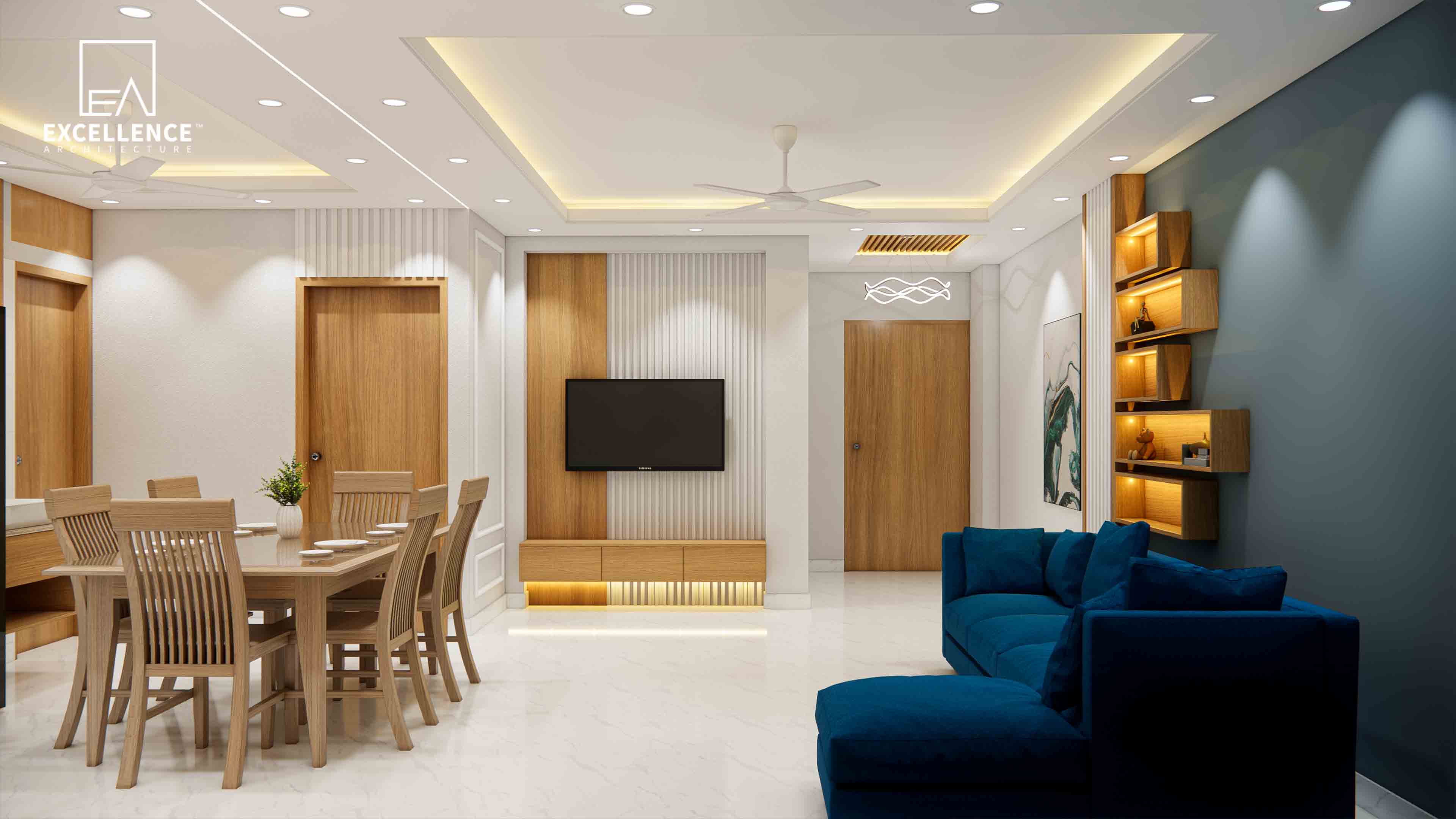
Tired of interior budget ballooning midway? Discover red flags in vague contractor quotes, BOQ standards, and contract clauses to protect your Dhaka home investment.